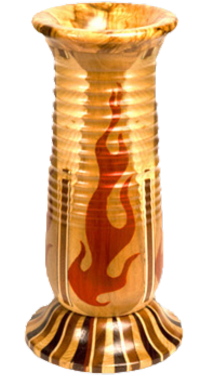
- Vibrant artistry and unique symbolism within luckystar inspire captivating collectors items
- The Historical and Cultural Significance of Star Symbolism
- The Evolution of the "Lucky Star" Motif
- The Materials and Craftsmanship Behind Luckystar-Inspired Collectibles
- The Role of Artisans and Independent Designers
- Collecting Luckystar Items: Trends and Considerations
- Determining Value and Authenticity
- The Psychological Appeal of Believing in Luck
- Beyond Trinkets: Luckystar as a Symbol of Personal Narrative
Vibrant artistry and unique symbolism within luckystar inspire captivating collectors items
The allure of unique collectibles often stems from a combination of artistic merit and symbolic resonance. Within the realm of enchanting trinkets and treasured possessions, the name luckystar occasionally surfaces, representing more than just a catchy moniker. It conjures images of celestial guidance, playfully shimmering objects, and a touch of hopeful magic. This fascination isn’t merely superficial; it's rooted in a broader cultural appreciation for symbolism and the human desire to embrace positive omens in a sometimes-unpredictable world. Collectors are drawn to pieces that tell a story, evoke emotion, and possess a sense of individuality, and items embodying the spirit of a lucky star often fulfill those criteria beautifully.
The appeal extends beyond a simple connection to fortune. Many objects marketed as or inspired by a ‘lucky star’ showcase intricate craftsmanship, often designed with vibrant colors, shimmering materials, and highly detailed representations of stars themselves. These elements contribute to their aesthetic appeal, making them desirable additions to personal collections or thoughtful gifts. Furthermore, the concept of a ‘lucky star’ taps into universal themes of hope, destiny, and the pursuit of dreams, resonating with individuals from diverse backgrounds and beliefs. The narrative surrounding these pieces adds an intangible value, transforming them from mere objects into symbols of personal significance.
The Historical and Cultural Significance of Star Symbolism
Throughout history, stars have held profound meaning for countless cultures. From ancient civilizations navigating by constellations to modern interpretations rooted in astrology and spirituality, the celestial sphere has consistently evoked a sense of wonder and guidance. In many mythologies, stars represent deities, ancestors, or the souls of the departed, imbuing them with spiritual power. This historical reverence for stars naturally extends to symbols representing them, with star-shaped motifs appearing in art, jewelry, and religious artifacts for millennia. The association with hope and guidance isn't accidental; for travelers, sailors, and those facing uncertainty, the stars provided a constant, reliable beacon. Consequently, objects mimicking or evoking the imagery of stars became talismanic, believed to offer protection and favorable outcomes.
The Evolution of the "Lucky Star" Motif
The specific concept of a "lucky star" as tied to personal fortune evolved more recently, particularly gaining prominence in the 20th and 21st centuries. Mass-produced trinkets, often featuring glitter or glow-in-the-dark elements, further popularized the motif. However, the underlying symbolism remains deeply connected to the historical and cultural significance of stars. The modern "lucky star" often represents a connection to fate, a belief in positive energy, or a personal wish for good fortune. This shift reflects a desire for individualized talismanic objects, appealing to a broader audience seeking a touch of whimsy and optimism in their lives. The proliferation of these items demonstrates a sustained human need for objects that symbolize hope and possibility.
| Ancient Egypt | Stars represented the afterlife and divine beings. |
| Greek Mythology | Stars were associated with gods and goddesses, guiding fates. |
| Nautical Traditions | Stars were crucial for navigation, symbolizing safety and direction. |
| Modern Western Culture | Stars often symbolize hope, dreams, and good luck. |
The table above provides a concise overview of how the significance of stars has varied across different cultures and time periods. The common thread throughout is the enduring association with something beyond the mundane, a connection to forces perceived as powerful and benevolent. This foundational understanding informs the enduring appeal of objects linked to the lucky star concept, adding depth to their symbolic power.
The Materials and Craftsmanship Behind Luckystar-Inspired Collectibles
The creation of collectibles inspired by the luckystar aesthetic often involves a diverse range of materials, each contributing to the overall aesthetic and perceived value. Glass, in its myriad forms – crystal, stained glass, and hand-blown varieties – is frequently used to mimic the sparkling quality of stars. Metallic finishes, particularly gold and silver, further enhance the sense of luxury and preciousness. Furthermore, the skillful utilization of iridescent materials and glitter adds a captivating shimmer, evoking the twinkle of distant stars. The quality of craftsmanship varies greatly, with some pieces mass-produced for affordability and others meticulously hand-crafted by artisans. The latter often command higher prices due to their unique designs and attention to detail.
The Role of Artisans and Independent Designers
Independent artisans and designers play a crucial role in elevating the luckystar motif beyond mass-produced trinkets. They often experiment with unconventional materials, such as resin, polymer clay, and recycled elements, to create unique and personalized pieces. These artists frequently draw inspiration from nature, mythology, and contemporary art aesthetics, resulting in collectibles that possess both artistic merit and symbolic depth. By focusing on quality craftsmanship and innovative design, they cater to collectors seeking pieces that are both visually appealing and imbued with individual character. Supporting these artisans helps preserve traditional crafting techniques and fosters a thriving community of creative expression.
- Glassblowing: Creating intricate star-shaped ornaments from molten glass.
- Metalworking: Crafting delicate pendants and charms with star motifs.
- Resin Art: Embedding glittering materials within resin to create mesmerizing starscapes.
- Polymer Clay Sculpting: Hand-sculpting miniature stars and celestial figures.
The list above details just a few of the artisan techniques commonly employed in the creation of ‘luckystar’ inspired collectibles. Each method demands considerable skill and patience, contributing to the unique character and value of the finished product.
Collecting Luckystar Items: Trends and Considerations
The market for collectibles centered around the luckystar theme is surprisingly diverse, encompassing everything from vintage costume jewelry to contemporary art pieces. Certain trends emerge, with specific materials, designs, or eras gaining popularity among collectors. For example, vintage ‘luckystar’ pins from the mid-20th century can command significant prices due to their rarity and nostalgic appeal. Similarly, limited-edition pieces created by renowned artisans or designers are highly sought after. The condition of the item is, of course, paramount, with pristine examples fetching higher values than those with wear or damage. Authenticity is another key consideration, particularly when dealing with vintage or designer pieces.
Determining Value and Authenticity
Evaluating the value of a ‘luckystar’ collectible requires careful research and consideration. Factors to consider include the material, craftsmanship, rarity, historical significance, and overall condition. Consulting online marketplaces, auction records, and collector forums can provide valuable insights into current market prices. When assessing authenticity, it's essential to examine the materials, construction, and markings carefully. For designer pieces, verifying the authenticity of any accompanying documentation, such as certificates or provenance records, is crucial. Seeking the opinion of an experienced appraiser can also be beneficial, especially when dealing with high-value items. Due diligence is key to ensuring a worthwhile investment.
- Research the market value of similar items.
- Examine the materials and craftsmanship closely.
- Verify the authenticity of any accompanying documentation.
- Seek the opinion of an expert appraiser if necessary.
Following these steps can help ensure that a collector is making an informed decision and acquiring authentic, valuable pieces. The thrill of the hunt is often as appealing as the items themselves, and careful research amplifies the satisfaction of a successful find.
The Psychological Appeal of Believing in Luck
The enduring popularity of objects associated with luck, like those inspired by a luckystar, speaks to a fundamental human desire for control and optimism in a world often perceived as chaotic. Believing in luck, even symbolically through owning a talisman, can provide a sense of comfort and agency. It taps into our innate cognitive biases, such as the illusion of control, where we overestimate our ability to influence outcomes. This isn't necessarily irrational; it can serve as a powerful psychological tool, boosting confidence and resilience in the face of adversity. The act of carrying or displaying a lucky charm can serve as a constant reminder of positive intentions and a hopeful outlook.
Beyond Trinkets: Luckystar as a Symbol of Personal Narrative
The true value of a 'luckystar' inspired collectible often transcends its monetary worth. These objects can become deeply personal symbols, imbued with memories, emotions, and individual significance. A particular charm might commemorate a special occasion, represent a cherished relationship, or serve as a constant reminder of a personal goal. The narrative attached to the object elevates it from a mere possession to a treasured keepsake. This is particularly true for handcrafted or personalized pieces, which reflect the unique story and artistry of their creator. The enduring appeal lies not just in the allure of luck, but in the human tendency to find meaning and connection in the objects that surround us.

No comment yet, add your voice below!